
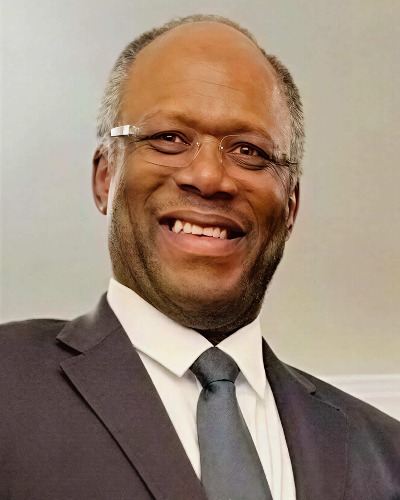
Chemical Pathologist and Pharmaceutical Physician
JB Consulting MDP Ltd & Centre of Pharmaceutical Medicine Research, King’s College, United Kingdom
Abstract:
Background: Since the emergence of SARS-CoV-2, increasing evidence has linked COVID-19 to the development of autoimmune phenomena ranging from transient autoantibody production to chronic, clinically significant autoimmune disease. Proposed mechanisms include molecular mimicry, bystander activation, epitope spreading, dysregulated interferon responses, and long-term immune dysregulation following viral persistence or tissue injury. Despite growing recognition of these associations, the underlying pathways, clinical relevance, and long-term implications remain incompletely defined. This study synthesises current mechanistic insights, evaluates clinical evidence for post-COVID autoimmunity, and identifies emerging research and therapeutic directions.
Methods: A structured review of mechanistic, clinical, and epidemiological studies published since January 2020 was conducted. Data sources included peer-reviewed literature, immunological profiling studies, cohort analyses, and registry-based investigations. Mechanistic evidence was categorised into innate immune activation, adaptive immune dysregulation, autoantibody formation, and tissue-specific pathways. Clinical evidence was evaluated across acute COVID-19, post-acute sequelae (PASC/Long COVID), and newly diagnosed autoimmune diseases. Findings were synthesised to identify convergent mechanisms and gaps in current understanding.
Results: Across all datasets, SARS-CoV-2 infection was associated with a sustained pattern of immune activation characterised by persistent IL-6 elevation, cytokine imbalance, and prolonged humoral responses. IL-6 rose early in infection and remained detectable throughout recovery, including in mild cases, indicating ongoing inflammatory signalling beyond clinical resolution. Convalescent cohorts demonstrated IL-6 persistence 40–93 days post-symptom onset, and later population studies confirmed that elevated IL-6 frequently coexisted with IgG and IgM antibodies months after infection. This cytokine profile dominated by IL-6, TNF-α, and type I interferons mirrors the inflammatory milieu that supports autoreactive B-cell survival and epitope spreading. Humoral analyses showed robust and long-lived IgG responses following natural infection, with high seropositivity persisting up to 100 days and heterogeneous IgG and IgM titres detectable 4–5 years post-pandemic. Together, these findings reveal a coherent pattern of prolonged cytokine activity and sustained antibody production that aligns with recognised mechanisms of post-viral autoimmunity.
Conclusions: Taken together, these findings demonstrate that SARS-CoV-2 infection creates a sustained immunological environment that is highly permissive to the development of autoimmunity. Persistent IL-6 elevation, prolonged cytokine imbalance, and long-lived IgG responses collectively signal ongoing immune activation well beyond clinical recovery. This constellation of features mirrors established pathways of autoimmune initiation, including loss of tolerance, autoreactive B-cell survival, and epitope spreading. The convergence of these mechanisms across multiple datasets strengthens the evidence that COVID-19 can act as a trigger for both transient and chronic autoimmune phenomena. Continued longitudinal monitoring, mechanistic studies, and careful differentiation between protective immunity and pathological autoimmunity will be essential to understanding long-term risk and guiding future therapeutic strategies.
Biography:
Dr John Bolodeoku is a Chemical Pathologist and Pharmaceutical Physician. During the pandemic, he was a Chief Medical Officer who played a pivotal role in the UK’s COVID‑19 response, overseeing operations across government‑approved diagnostic laboratories at A1 Laboratories, Zeab Therapeutics/Diagnostics and Affinity Biomarkers. He led clinical governance, quality assurance and regulatory compliance during a period of national urgency, ensuring safe and reliable testing under rapidly evolving pandemic protocols. His scientific work advanced diagnostic confidence through early method‑comparison studies validating point‑of‑care antibody testing against laboratory platforms, reinforced by NIBSC external quality controls. He expanded this portfolio to include neutralisation assays, RBD‑based systems and quantitative IgG platforms, alongside studies demonstrating the reliability of capillary sampling. Dr Bolodeoku also characterised IgG kinetics post‑infection and vaccination and identified persistent IL‑6 elevation in convalescent patients, contributing to emerging models of post‑COVID immune dysregulation. His work bridges laboratory science, clinical practice, and public health strategy, leaving a lasting scientific legacy.
© 2026 Mathews International LLC. All rights reserved.
