
Hai Phong University of Medicine and Pharmacy, Vietnam
Abstract:
Background and objectives: Leukemia cell lines of Southeast Asian origin remain extremely rare in international biorepositories, and personalized neoantigen vaccines for hematologic malignancies are still barely implemented in middle-income countries. This study aimed to (i) generate and characterize patient derived cell lines from Vietnamese leukemia patients, (ii) explore the genetic landscape and driver modules of a representative line, (iii) evaluate response to standard chemotherapy, and (iv) design and computationally evaluate HLA-personalized multi-epitope vaccines.
Methods: Thirty patients were enrolled per WHO 2022 and ICC 2022 criteria; bone marrow blasts were immortalized in vitro. The representative line AL035 (CMML) underwent whole-genome sequencing (WGS, ≥30×) and interaction-network analysis with STRING/Reactome. Drug sensitivity was assessed by IC50 for cytarabine (Ara-C) and daunorubicin (DNR), with combination effects analyzed in SynergyFinder (Bliss and Loewe models). Epitopes predicted with NetMHCpan-4.1/NetMHCIIpan-4.3 were assembled into two constructs, modeled with AlphaFold2/I-TASSER, tested for stability by molecular dynamics in GROMACS (100 ns), and for immunogenicity by C-ImmSim v10.1 (350 days).
Results: Five stably immortalized cell lines were established (success rate 16.7%; 95% CI 7.4–33.5%) - the first Vietnamese leukemia cell-line panel reported internationally. WGS of AL035 identified 13,298 structural variants and 681 CNVs; network analysis defined a 9-gene module converging on FOXP1, suggesting a three-axis model of epigenetic dysregulation–mutation accumulation–immune evasion. AL035 showed moderate sensitivity to Ara-C (IC50 = 0.055 µM) and DNR (IC50 = 0.024 µM), comparable to reference line U937 and consistent with the drug-resistant CMML phenotype. The Ara-C + DNR combination was strongly synergistic at low concentrations (ΔBliss = 43.9%; Loewe CI = 0.01), indicating dose-sparing potential for elderly patients and a rationale for combining reduced-dose chemotherapy with immunotherapy. Two personalized constructs were designed: MEVC (303 aa), a “dual-TLR4 self-adjuvanting” architecture integrating two intrinsic TLR4 adjuvants (L7/L12, RS09) flanking seven epitopes (three MHC-I, three MHC-II/Th, one B-cell); and CRUISER (Chemokine-Recruited Universal Immune-Stimulating Epitope Reservoir), an mRNA-LNP construct encoding a 259-aa ORF that combines the chemokine XCL1 for cDC1 (XCR1+) recruitment, a patient-specific epitope cassette (SCRN1–CBL, MSH2, HDAC8, IL2RA/CD25, PADRE), and a T4 fibritin foldon enabling self-assembly into a soluble ~85 kDa trimer. Unlike autogene cevumeran (BNT122), which membrane-anchors antigens via MITD, CRUISER is secreted as a soluble trimer that actively recruits cDC1 through the XCL1–XCR1 axis - among the first trimeric chemokine–neoantigen mRNA vaccines reported for any hematologic malignancy. GROMACS confirmed structural stability of both constructs, and C-ImmSim showed both simultaneously activate humoral immunity (class-switching, durable B-cell memory), balanced Th1/Th2 helper responses, and cytotoxic T-cell responses with lasting memory, within a balanced cytokine profile and no evidence of chronic inflammation or immune tolerance.
Conclusion: This work integrates immortalized blast cell line establishment with whole-genome sequencing to enable subsequent in vitro and preclinical studies, while helping close the Southeast Asian representation gap in hematologic-cancer omics. The two multivalent constructs MEVC and CRUISER achieved structural stability and a favorable in silico immunogenicity profile, and are ready for experimental evaluation on the AL035 immortalized blast line in preclinical studies.
Biography:
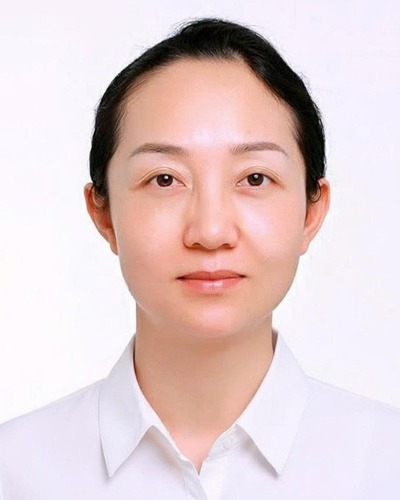
Dr. Loc Pham Thi is Head of the Department of Hematology and Blood Transfusion at Hai Phong University of Medicine and Pharmacy, Viet Nam, and a collaborative professor jointly appointed with Kanazawa University, Japan, where Dr. Pham earned a PhD in Medicine. Dr. Pham currently leads two government-funded projects: CRISPR/Cas9 editing on cancer patient samples and stem-cell and applied-immunology approaches for hybrid TAA/TSA and personalized leukemia vaccines; regenerative-medicine therapy for knee osteoarthritis patients (grant codes ĐT.YD.2023.966 and ĐT.YD.2025.978). Research interests center on hematologic malignancies, cancer genomics, and personalized cancer immunotherapy.
© 2026 Mathews International LLC. All rights reserved.
