
Center for Genetic Engineering and Biotechnology, Cuba
Abstract:
Introduction: The development of mucosal vaccines has historically been limited by the lack of suitable adjuvants and concerns about potential neurotoxic effects. Prior to COVID-19, only one mucosal vaccine was commercially available. The accelerated technological progress and regulatory flexibility during the pandemic renewed global interest in this immunization route. Nevertheless, the development of subunit nasal vaccines still faces several challenges. The HeberNasvac nasal vaccine for chronic hepatitis B, registered in Cuba in 2015, provided the platform for new subunit vaccine candidates against SARS-CoV-2.
Methods: HeberNasvac contains 100-µg of hepatitis B surface antigen (HBsAg) and 100-µg of hepatitis B nucleocapsid antigen (HBcAg). The immune-potentiating capacity of HBcAg combined with the RBD protein was used to formulate the mucosal vaccine Mambisa, which contains 50-µg of RBD and 40-µg of HBcAg. ACE2-binding inhibition, viral neutralization capacity, and the induction of mucosal tissue-resident memory T cells (TRM) were evaluated in human volunteers.
Results: A single dose of the Mambisa vaccine administered to previously infected individuals, stratified into groups younger and older than 60 years, induced high levels of serum IgG antibodies. These antibodies demonstrated RBD–ACE2 binding-inhibition capacity and neutralizing activity against the live D614G virus, as well as against the Omicron variant of concern. Only Mambisa—unlike the systemic SARS-CoV-2 vaccine used as a control—was able to induce TRM.
Conclusion: Nasal immunization offers clear advantages by inducing immune responses in the nasopharyngeal mucosa in addition to the systemic response. The elderly population may derive particular benefit from mucosal immunization.
Biography:
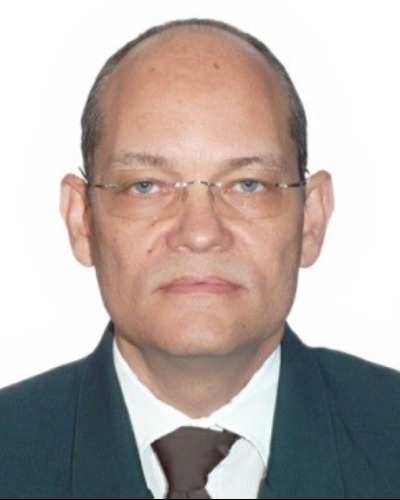
Gerardo Guillén is the Cuban Scientific Director at the China–Cuba Biotechnology Innovation Center (Hunan) and a Senior Researcher at the Center for Genetic Engineering and Biotechnology in Havana. His work focuses on prophylactic and therapeutic vaccines and biotechnological drugs for cancer, infectious diseases, neuroprotection, cardio protection, autoimmunity, and wound healing. He is a Professor at the University of Havana and the Latin American School of Medicine, and a Member of the Cuban Academy of Sciences and TWAS. He has published 290 articles, holds over 60 patents, and received the WIPO Gold Medal for the Abdala COVID 19 vaccine patent.
© 2026 Mathews International LLC. All rights reserved.
